
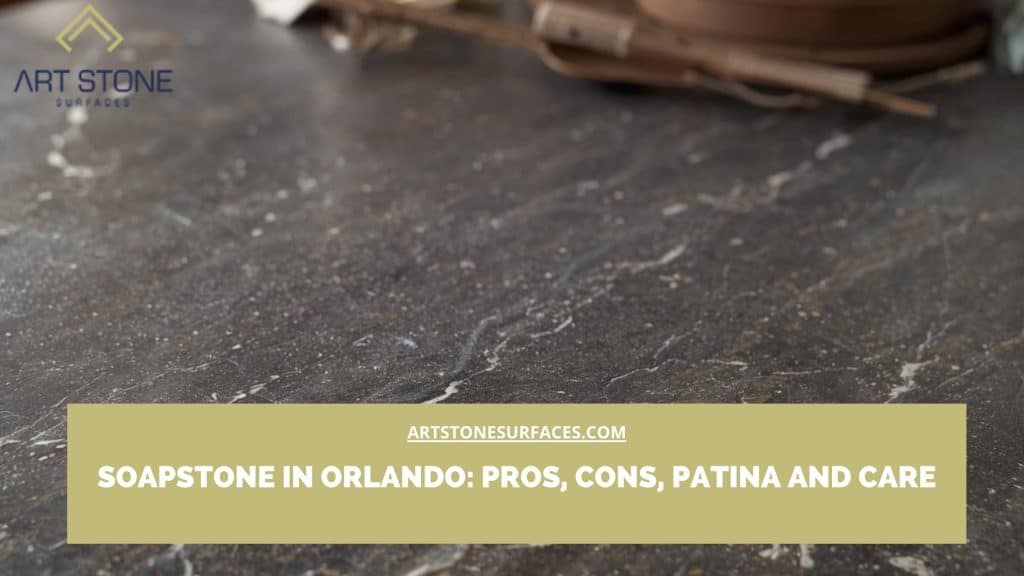
Soapstone is one of those countertop materials that tends to surprise homeowners who encounter it for the first time. It does not look or feel like granite or quartz. It has a character that is distinctly its own, and it attracts a specific kind of homeowner who values natural warmth, low chemical maintenance, and a material that develops a distinctive appearance over time. If you are researching soapstone for an Orlando kitchen or bathroom renovation, this guide from Art Stone Surfaces gives you the honest picture of what makes it compelling and where its real limitations lie.
What Soapstone Is
Soapstone is a natural metamorphic rock composed primarily of talc. The talc content gives it a smooth, slightly waxy surface feel that inspired the name. It has been used as a countertop and laboratory surface for generations. Historic farmhouses, science labs, and contemporary renovations with craftsman or transitional aesthetics all make use of soapstone for different reasons.
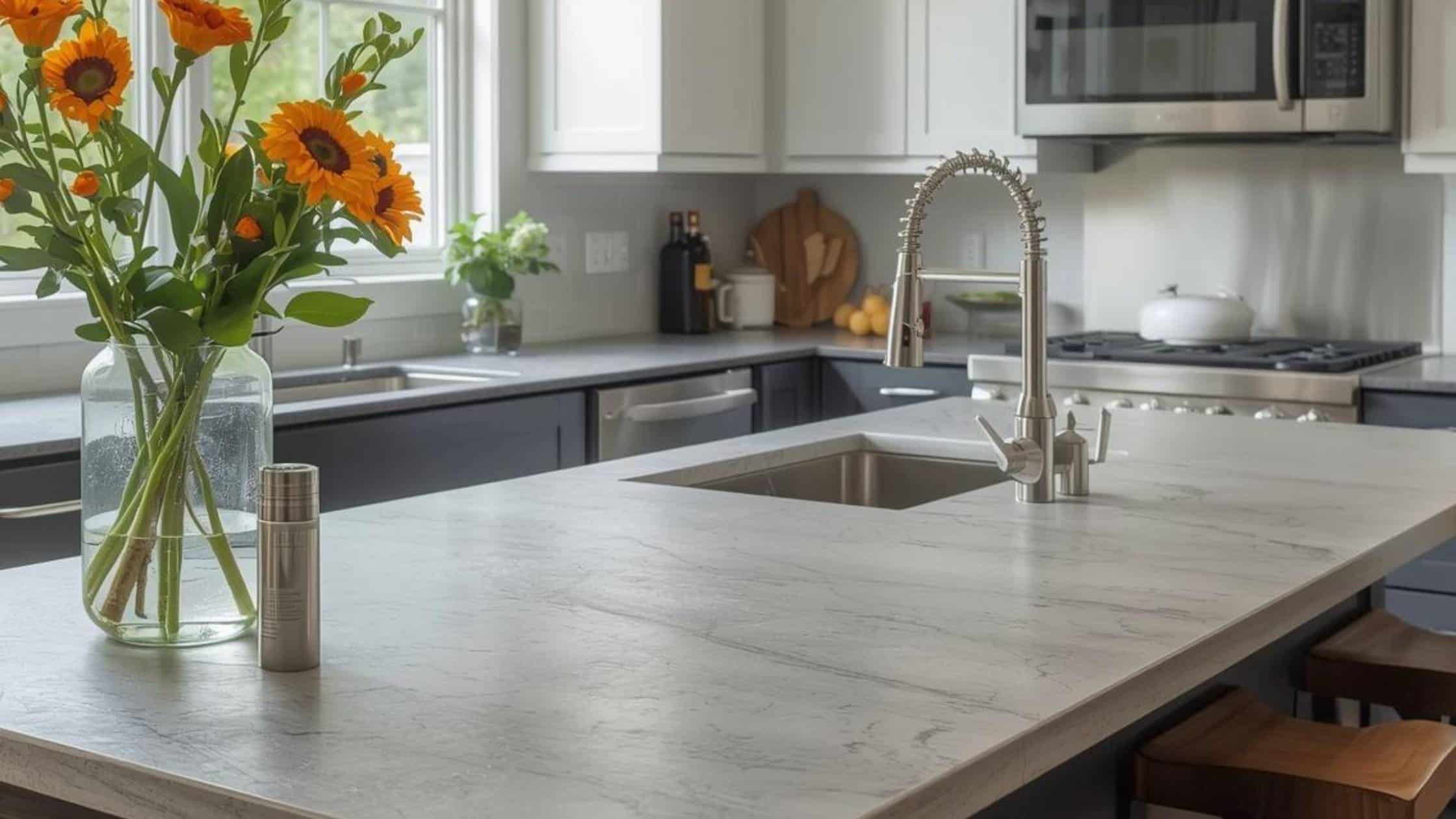
The available color range is much narrower than granite or engineered quartz countertops. Soapstone runs in dark gray, blue-gray, and green-gray tones, with subtle natural variation and understated veining in most varieties. If bright whites, warm beiges, or bold pattern contrast are important to the design, soapstone will not deliver those looks.
The Genuine Advantages of Soapstone
- Non-porous by nature: soapstone does not require sealing. Its dense talc composition prevents liquid penetration, including acidic liquids like lemon juice and vinegar that would etch marble or degrade granite sealer. This is a meaningful practical advantage in any kitchen.
- Excellent heat tolerance: soapstone handles high temperatures without discoloration or damage. It has historically been used for wood stove surrounds and fireplace components precisely because of this heat stability. Setting a warm pot on soapstone is not a concern.
- Chemical inertness: unlike marble and even granite in some applications, soapstone does not react to kitchen acids or common cleaning products. This simplifies the cleaning routine significantly.
- Distinctive patina: soapstone develops a rich, aged appearance over time that many homeowners find deeply appealing. The material looks lived-in in a way that feels intentional rather than worn out.
- Repairability: surface scratches and minor dents can be sanded out and refinished. This is a repair option that quartz and most other countertop materials simply do not offer.
The Real Limitations of Soapstone
- Soft surface: soapstone scores between 1 and 2 on the Mohs hardness scale. Granite scores 6 to 7. Soapstone scratches from knives, abrasive items, and regular kitchen contact. Scratching is a normal part of owning soapstone, not an occasional accident.
- Narrow color and pattern range: the palette is constrained by the natural mineral composition of the stone
- Patina management: the changing appearance of soapstone is a feature for homeowners who understand it and a frustration for those who expect the surface to maintain a consistent look without active management
- Availability: soapstone is less widely stocked than granite or quartz in the Orlando market, which can mean more limited slab selection and potentially longer lead times
- Cost: soapstone is priced similarly to mid-to-higher range granite. It is not a budget material.
The Patina: What to Expect in Orlando’s Climate
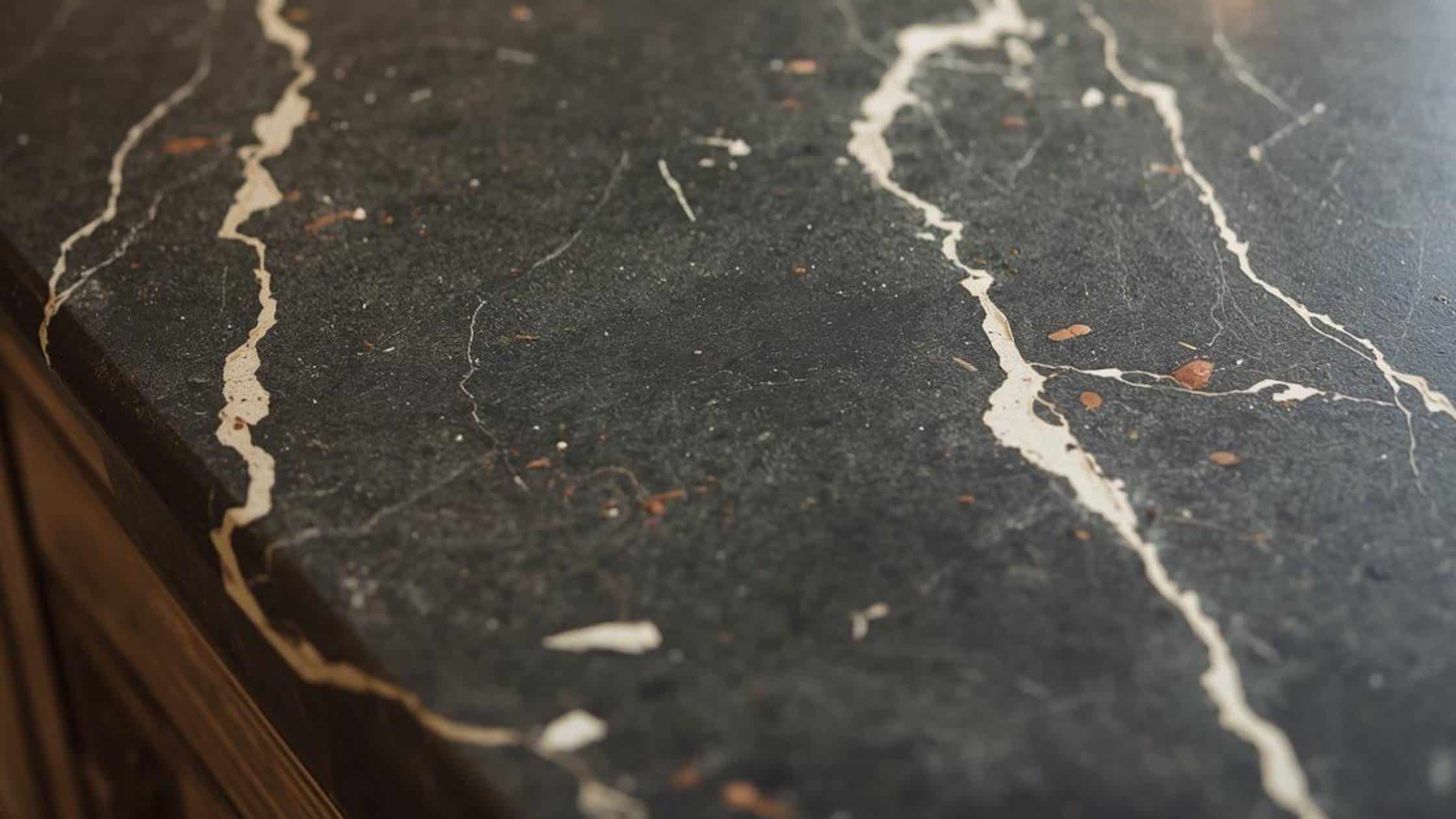
The patina is the most important characteristic to understand before choosing soapstone. Left untreated, soapstone darkens gradually over time as oils from hands, food, and cleaning products absorb into the surface. Areas of higher contact darken first, which can create a noticeably uneven appearance during the transition period.
Most soapstone owners choose to accelerate and control this process by applying food-grade mineral oil to the surface. When oiled, soapstone darkens immediately and evenly to a rich dark gray or near-black tone. The oil does not seal the stone the way a granite sealer works. It enhances the existing natural patina and creates visual consistency across the surface.
In Orlando’s warm and humid climate, soapstone can develop its patina slightly more quickly than in drier regions. The ambient humidity and warmth accelerate the natural aging process in ways that most Orlando homeowners who choose soapstone find appealing. Mineral oil reapplication every few months, or whenever the surface appears lighter or uneven, maintains the look. Some owners oil more frequently in the first year to establish a consistent patina base, then settle into a less intensive routine.
Caring for Soapstone in Florida’s Climate
- Everyday cleaning: mild soap and warm water. The non-porous, chemically inert surface cleans easily without specialty products.
- Patina management: apply food-grade mineral oil with a soft cloth and buff off the excess when the surface looks lighter or uneven
- Scratch repair: fine-grit sandpaper at 220 grit or higher removes surface scratches effectively. Follow with mineral oil on the repaired area to restore even color. Deeper damage can be addressed professionally.
- What to avoid: abrasive scrubbers and harsh chemical cleaners are unnecessary given soapstone’s natural chemical resistance, and both can accelerate surface wear on an already soft material
Florida’s high humidity is generally compatible with soapstone’s dense, non-porous composition. Unlike some natural stones that can be stressed by moisture cycling, soapstone’s talc-dominant structure does not absorb ambient moisture in ways that cause surface or structural issues over time.
Frequently Asked Questions
Is soapstone a practical choice for a busy Orlando family kitchen?
It can be, with honest expectations. The non-porous surface is genuinely food-safe and the heat tolerance is excellent. Scratching is inevitable in a high-use kitchen, and how much that bothers you depends on your aesthetic relationship with the material. Homeowners who embrace the lived-in character of soapstone find a busy kitchen only adds to its appeal. Homeowners who want a pristine, consistent-looking surface over years of heavy use will find soapstone challenging.
Does soapstone chip the way quartz does?
Soapstone’s softness works in its favor when it comes to impact. Rather than fracturing or chipping sharply at the point of contact, soapstone tends to dent or compress. That kind of damage can be sanded out and refinished in a way that a quartz chip or fracture cannot. The wear profile is different from quartz and in some ways more forgiving in terms of repair options.
Is soapstone a good fit for Orlando bathroom countertops?
Soapstone performs very well in Orlando bathroom countertop applications. Soap, water, and bathroom products do not react with the stone, and the non-porous surface requires no sealing in a bathroom environment. The patina develops more slowly in a bathroom than in a kitchen, which suits homeowners who want the soapstone aesthetic without the same level of active management.
Explore Natural Stone at Art Stone Surfaces in Orlando
Soapstone is one of several natural stone options available through Art Stone Surfaces. Our team can help you compare it alongside granite, quartzite, and marble to find the right fit for your Orlando renovation. Find us on Google Maps or visit our showroom to see available slabs and talk through your project in person.