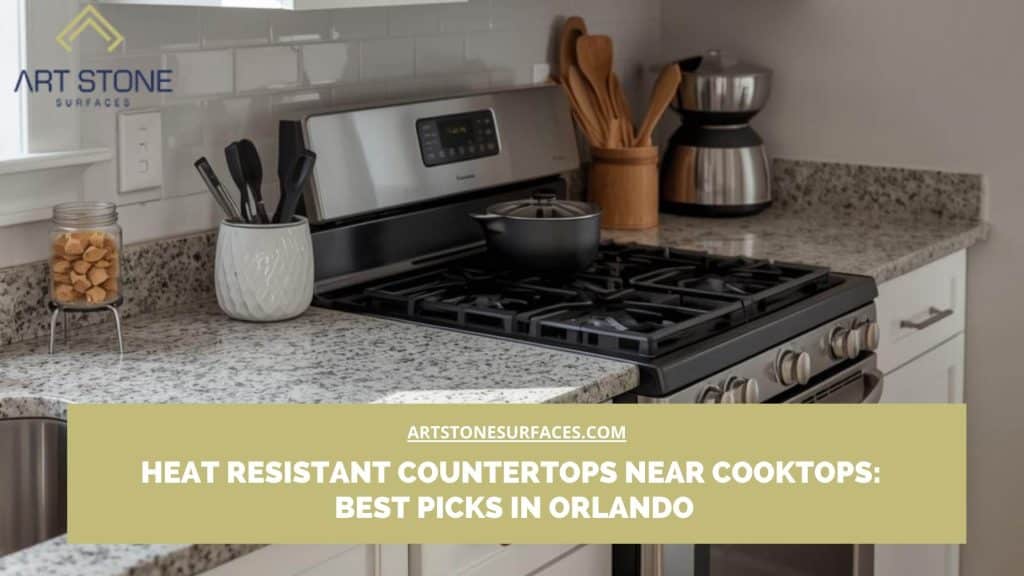
In an Orlando kitchen, the cooktop zone works hard. Between the daily cooking routine, the warm ambient temperatures that come with Central Florida living, and the occasional hot pan set down without a trivet, the surface immediately surrounding your cooktop needs to be chosen with care. Not every countertop material handles this zone equally well, and making the right call before installation saves you from damage that is costly to repair later. The team at Art Stone Surfaces helps Orlando homeowners navigate this decision every day, and this guide covers what you genuinely need to know.
What Makes the Cooktop Zone Different From the Rest of the Counter
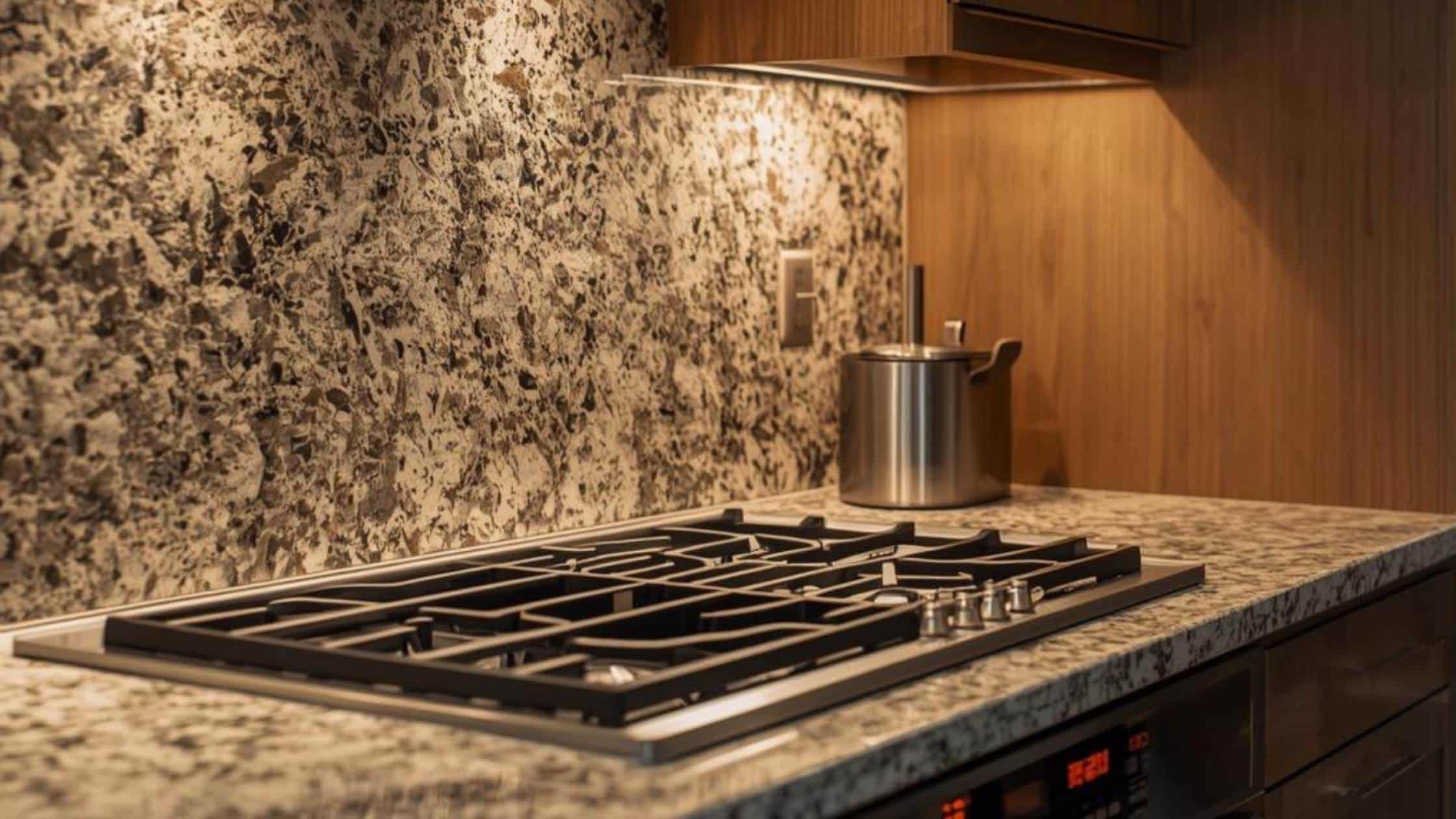
Most countertop surfaces perform well under standard kitchen conditions. The area immediately around a cooktop is more demanding. Cookware coming off a gas or electric burner can reach temperatures of 400 degrees Fahrenheit or higher at the base. Radiant heat from gas flames creates a consistent thermal stress zone in the surrounding stone. Induction cooktops heat cookware directly and efficiently, but the surrounding surface still experiences warmth through convection and steam during active cooking.
The material you choose for this zone needs to handle not just occasional warmth but the daily cycle of heating and cooling that accumulates over years of use. Some materials manage this without any issue. Others require consistent habits to avoid damage.
Granite: The Natural Standard for Heat Tolerance
Granite is formed at extreme temperatures deep within the earth, which makes it inherently suited to handling kitchen heat. Setting a warm pan on granite does not damage the stone itself. The surface will not warp, discolor, or develop resin-related issues because there is no resin involved in its composition. For Orlando homeowners who cook frequently or use high-heat methods like searing or wok cooking, granite countertops offer a naturally heat-tolerant surface that holds up without special precautions.
One consideration: the penetrating sealer applied to granite can thin faster in the cooktop zone due to repeated heat exposure. That area may need resealing slightly more often than the rest of the counter, which is worth building into your maintenance routine.
Quartzite: Natural Stone With Excellent Thermal Stability
True quartzite countertops are a natural metamorphic stone, distinct from engineered quartz, with heat tolerance comparable to granite. Quartzite handles high temperatures without polymer sensitivity, and it offers the marble-like veining and movement that many Orlando homeowners love without marble’s fragility and acid sensitivity. If you want a surface that performs at the cooktop and looks exceptional doing it, quartzite is a natural stone worth a close look.
Engineered Quartz: Strong Performance With One Clear Limit
Engineered quartz countertops are among the most popular choices for Orlando kitchens. They are non-porous, require no sealing, and come in a wide range of colors and patterns suited to every design style. Near a cooktop, quartz performs well under normal use conditions. The limitation comes from concentrated direct heat.
The polymer resins that give quartz its non-porous character can discolor, warp, or develop micro-cracks when exposed to temperatures above approximately 150 degrees Fahrenheit from direct contact. A cast iron skillet or stainless pan pulled straight from a high-output burner carries enough thermal energy to cause this damage on contact with the surface. With consistent trivet use, quartz is an excellent cooktop surround material. Without that habit, the risk is real and the damage is typically not covered under warranty.
Sintered Stone: Engineered for Maximum Heat
Sintered surfaces such as Dekton and Neolith are manufactured at temperatures that exceed anything a home kitchen can generate. The result is near-zero porosity, exceptional UV stability, and the ability to handle hot cookware without concern. For Orlando homeowners who want complete confidence in the cooktop zone and are willing to invest in premium performance, sintered stone is the highest specification option available.
The tradeoffs are cost, which sits at the top of the countertop price range, and edge fragility. The hardness that makes sintered stone so heat-resistant also makes it susceptible to chipping at exposed corners and edges if struck with concentrated force.
What to Think Twice About Near the Cooktop
- Solid surface materials: prone to scorch marks and permanent heat damage that cannot be polished out
- Laminate: can bubble, blister, or separate from the substrate with sustained radiant heat exposure
- Marble: porous, acid-sensitive, and less heat-tolerant than granite or quartzite despite its natural stone composition
- Engineered quartz without a consistent trivet habit: a capable material that becomes a liability without the right usage habits
Frequently Asked Questions
Can quartz handle hot pans in 2026?
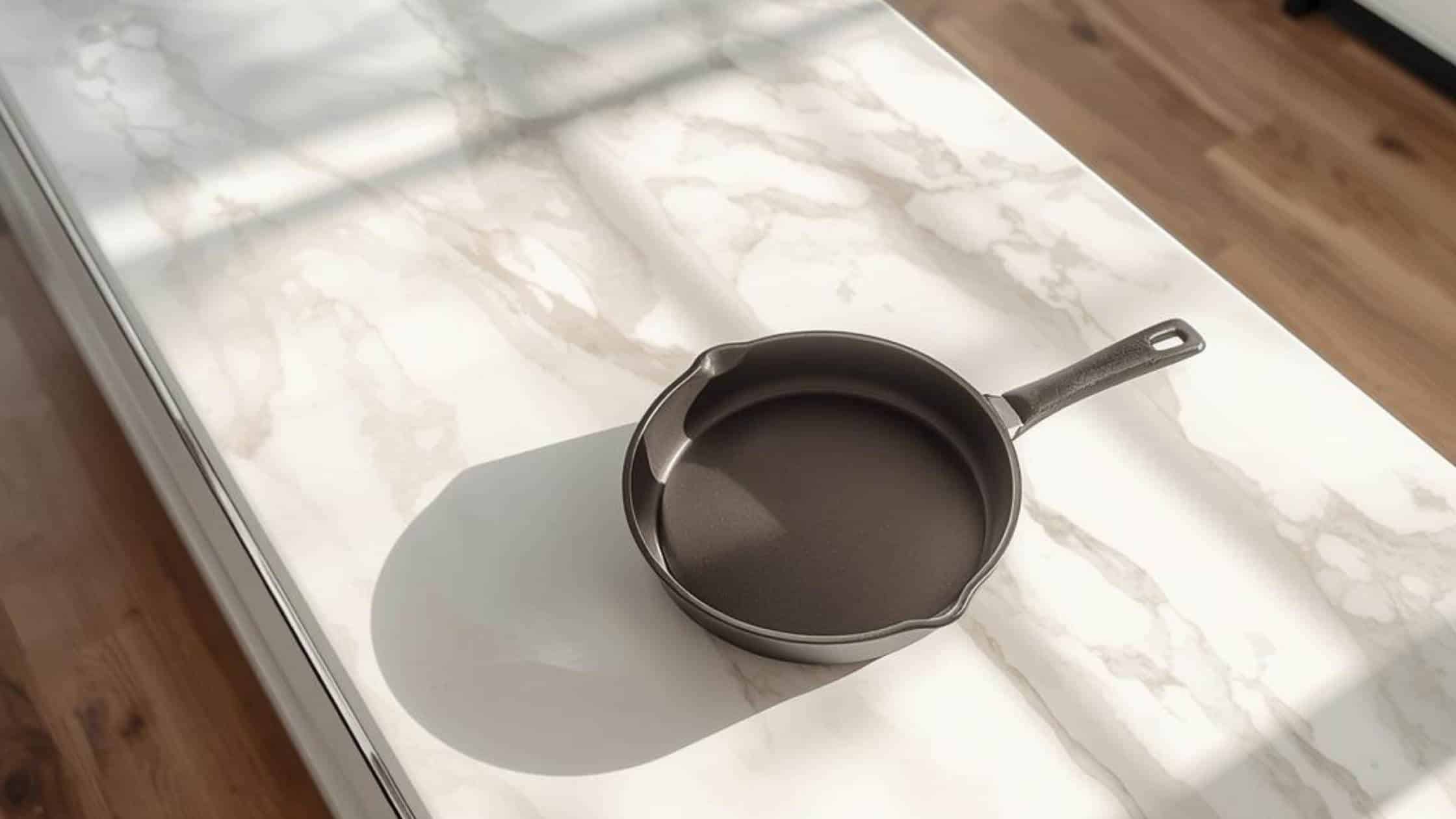
Engineered quartz is not designed for direct hot pan contact. The resins that make quartz non-porous and low-maintenance are also its thermal vulnerability. Placing cookware fresh from a high-temperature burner directly onto quartz risks thermal shock, which can cause cracking or resin discoloration. In 2026, every major quartz manufacturer still specifies trivet use for hot items. With that habit in place consistently, quartz performs very well near a cooktop.
Does Orlando’s year-round heat affect which countertop material I should choose?
For indoor countertops, ambient room temperature is not a significant factor in material selection. For outdoor kitchen countertops in Orlando, the combination of Florida’s intense year-round UV exposure and high temperatures makes material choice much more critical. Engineered quartz is not rated for outdoor use and will degrade with sustained sun exposure regardless of how it is treated indoors.
Is granite or quartzite better near a gas cooktop in Orlando?
Both are strong choices. Granite is more widely available and typically comes at a broader range of price points. Quartzite offers distinctive natural veining and movement that granite often cannot match aesthetically. In terms of heat performance near a gas cooktop, both handle the thermal demands of the zone without issue.
Find Your Ideal Kitchen Countertop at Art Stone Surfaces in Orlando
Whether granite, quartzite, or quartz is the right fit for your Orlando kitchen, our team at Art Stone Surfaces can help you match the material to how you cook and how you want your kitchen to look. Find us on Google Maps or visit our Orlando showroom to see current slab options in person.